Sorry. We did not find anything.

7 Tips to Buy an Electric Car Globally?

Buying an electric car across borders can feel exciting, confusing, and surprisingly personal. When you plan to Buy Electric Car globally, the purchase involves more than comparing battery size and showroom prices. Local charging networks, import duties, warranty coverage, vehicle standards, and software access can change the real cost. A car that works perfectly in one country may become inconvenient elsewhere.

This guide introduces seven practical tips for making a better decision. It draws on common ownership experiences, manufacturer guidance, market research, and advice from qualified automotive professionals. You will learn how to check battery health, estimate driving range in real weather, inspect charging compatibility, and verify after-sales support before paying a deposit. Small details matter. A different plug can delay a journey. A missing service center can create months of frustration.

Real decisions are rarely perfect. Official range figures may look reassuring, yet cold mornings, steep roads, heavy luggage, and high-speed driving can reduce them. I have also found that online prices sometimes hide delivery, registration, or adaptation costs. That deserves careful reflection. Ask direct questions, request written answers, and compare several sellers instead of trusting one attractive offer. Local regulations and tax rules can change, so confirm them with government portals or licensed professionals. The seven tips ahead are designed to make global electric-car shopping clearer, safer, and more realistic. They cannot remove every risk. They can help you notice the expensive ones earlier.
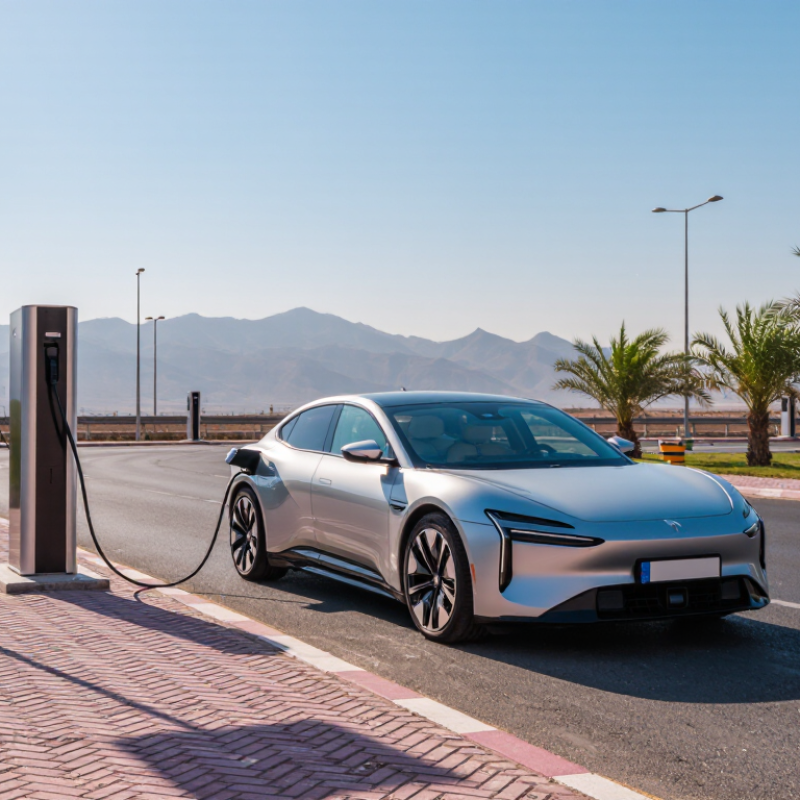
7 Tips to Buy an Electric Car Globally?

Define Your Electric Car Needs and Driving Conditions

Tip 1: Define your daily driving pattern before comparing electric cars. Record your usual distance, road types, passengers, and cargo needs for one week. A small battery may suit a short urban commute, but regular highway trips require more usable range. I once underestimated winter mileage loss. That mistake made charging feel stressful.

Tip 2: Match the vehicle to your local driving conditions. Cold weather can reduce range, while intense heat may increase battery cooling demands. Hills, heavy traffic, strong winds, and frequent air-conditioning use also matter. Check independent range tests from conditions similar to yours, not only laboratory figures. A home charger may be practical in one country but unavailable in your building or rental property. Confirm parking access, electrical capacity, charging connectors, and local installation requirements with qualified professionals.

Tip 3: Think beyond the average day. Ask how often you travel between cities, carry bicycles, tow equipment, or drive on rough roads. Leave a reserve for unexpected delays. Public charging coverage can vary sharply between urban centers and rural routes, even within the same region. Review charger reliability, payment methods, operating hours, and emergency alternatives before traveling. Smaller cars can be efficient, but limited space may become frustrating during holidays. My own planning was too optimistic once; I ignored luggage and arrived with little range left. A written driving profile, including seasonal changes, makes the decision more realistic.

Compare Battery Range, Charging Options, and Vehicle Efficiency

7 Tips to Buy an Electric Car Globally?

Battery range should be your starting point, not the final decision. Compare the usable battery capacity and certified range under the same testing standard. Testing methods vary between regions, so figures are not always directly comparable. Check winter performance, highway consumption, and passenger load. A car showing 500 kilometers may deliver much less on a cold motorway.

Charging options matter just as much. Confirm whether home charging is practical, and calculate the time needed with your local electricity supply. For long journeys, compare maximum DC charging speed and the charging curve, not only the peak number. A fast charger may reach its highest output briefly. Public charger availability also differs widely between cities and countries. Check connector compatibility before buying. Small details matter.

Vehicle efficiency reveals the cost of daily driving. Compare energy use in kWh per 100 kilometers, then estimate your real driving pattern. A lighter vehicle may use less energy than a larger model with a similar battery. During a test drive, record consumption on familiar roads. Do not trust one short trip. Battery size, tire pressure, heating, and speed all influence results. A useful comparison includes warranty terms, battery health checks, and software support. Independent safety and efficiency data deserve more weight than sales claims. My own comparison could still be imperfect, especially without testing every season. That uncertainty should remain visible.

7 Tips to Buy an Electric Car Globally: Compare Battery Range, Charging Options, and Vehicle Efficiency
Tip Dimension to Compare Typical Global Benchmark Why It Matters What to Check Before Buying
1 Real-world driving range Approximately 150–650 km per full charge, depending on vehicle size, battery capacity, speed, weather, and test cycle. A longer rated range can reduce charging stops, but real-world range is usually lower at high speeds, in cold weather, or when carrying heavy loads. Compare the official test-cycle figure with independent real-world estimates. Allow an additional daily reserve of about 15–20% for unexpected trips.
2 Usable battery capacity Small vehicles: about 30–50 kWh; compact and midsize vehicles: about 50–80 kWh; large vehicles: about 80–120 kWh. A larger battery normally provides more range, but it can increase purchase price, vehicle weight, energy consumption, and charging time. Look for usable energy rather than only total or gross battery capacity. Check whether the battery can be preconditioned before fast charging.
3 Energy efficiency Efficient small vehicles commonly use about 12–16 kWh/100 km; larger vehicles may use about 18–25 kWh/100 km. Lower energy consumption reduces charging costs and helps preserve range in cold, windy, or high-speed driving conditions. Compare efficiency using the same test cycle and wheel size. Aerodynamics, tire type, payload, temperature, and motorway speed can significantly change results.
4 Home and workplace AC charging Portable charging is often about 2–3 kW; dedicated single-phase charging is commonly 3.6–7.4 kW; three-phase systems may provide 11–22 kW where local grids support them. Most daily charging is done while the vehicle is parked. Higher AC power can shorten overnight charging, but the vehicle and property wiring must support it. Confirm household voltage, available grid capacity, installation permits, connector compatibility, cable requirements, and electricity tariffs.
5 Public DC fast-charging capability Common public chargers provide about 50–150 kW; high-power sites may provide about 150–350 kW, while many vehicles accept less than the station’s maximum. Higher charging power is useful for long-distance travel, but the actual speed depends on battery temperature, state of charge, charger availability, and the vehicle’s charging curve. Compare the vehicle’s peak DC input, average power from 10–80%, charging-network coverage along regular routes, payment methods, and local pricing.
6 Charging time and battery charging curve A typical 10–80% DC charging session may take about 20–45 minutes; AC charging may take roughly 4–12 hours depending on battery size and power. Peak charging power is only available for a limited period. A stable average charging rate is often more useful than the highest advertised figure. Check independent 10–80% charging results, cold-weather performance, battery preheating, charging-stop planning, and whether the vehicle supports scheduled charging.
7 Climate, warranty, and long-term battery durability Battery capacity commonly declines gradually over time; many market warranties cover the battery for around 8 years or 160,000 km, subject to regional terms. Extreme heat, freezing temperatures, frequent high-power charging, and keeping the battery near full or empty for long periods can affect long-term performance. Review the battery warranty threshold, geographic coverage, service availability, thermal-management system, recommended daily charge limit, and replacement-cost policy.

Note: Figures are typical indicative ranges for global electric vehicles, not specifications for any particular model. Actual performance varies by market, vehicle design, battery temperature, road conditions, driving style, charger output, and local electricity infrastructure.

Check Local Prices, Taxes, Incentives, and Ownership Costs

7 Tips to Buy an Electric Car Globally?

Start with the local invoice, not the advertised international price. Import duties, registration taxes, currency movement, and delivery fees can change the final amount sharply. Check the government’s current incentive rules, because eligibility may depend on income, battery size, vehicle origin, or purchase date. Some rebates arrive months later. Keep a cash buffer.

Compare energy costs using local electricity tariffs and realistic driving distances. The IEA’s Global EV Outlook 2025 reported more than 17 million electric cars sold worldwide in 2024, showing rapid market growth but uneven infrastructure. Ask whether home charging is permitted, then price installation, public charging, parking, and peak-hour rates. Review insurance, tires, servicing, battery warranties, and expected resale value. BloombergNEF reported average battery-pack prices of 115 dollars per kilowatt-hour in 2024, yet replacement costs remain difficult to predict.

Use a three-year ownership spreadsheet. Include financing interest, annual taxes, software fees, and seasonal efficiency losses. Check local repair capacity and parts availability before signing. A cheap import may become expensive if qualified technicians are scarce. Verify certification and charging compatibility through official authorities, not social media posts. I would also test the car on familiar roads; range estimates can feel optimistic in cold weather, heavy rain, or stop-start traffic. My own calculations would probably miss something, so leave room for imperfect assumptions and changing policies.

7 Tips to Buy an Electric Car Globally: Compare Incentives and Tax Relief

The chart compares the approximate maximum value of national purchase incentives or tax relief available for a new electric car in selected markets during 2024. Values are converted to U.S. dollars using approximate 2024 exchange rates. Actual eligibility can depend on vehicle price, battery origin, income, residency, and registration rules. Buyers should also compare local electricity prices, public-charging fees, insurance, maintenance, road taxes, and resale value before making a final decision.

Reference basis: 2024 national policy limits, including the U.S. federal clean-vehicle credit, Canada’s federal incentive, France’s maximum ecological bonus, China’s electric-car purchase-tax exemption cap, Norway’s capped VAT exemption, and the United Kingdom’s absence of a general consumer purchase grant.

Verify Import Rules, Safety Standards, and Warranty Coverage

7 Tips to Buy an Electric Car Globally?

Verify Import Rules, Safety Standards, and Warranty Coverage

Buying an electric car across borders requires more than comparing range and price. Check your country’s import authority before paying a deposit. Confirm customs duties, registration documents, emissions exemptions, and required inspections. Some vehicles cannot be registered because their lighting, charging ports, or software do not meet local rules. Ask for the vehicle identification number and production certificate. Then verify both documents with an official government source.

Safety compliance needs careful attention. Request crash-test results, battery protection data, and the conformity certificate for your destination market. Standards can differ between regions, even when two vehicles look identical. Check charging compatibility, voltage requirements, emergency disconnects, and charging-cable certification. A local technician can inspect the battery enclosure and underbody after shipping. That inspection costs money, but a damaged battery can create serious risks.

Warranty language deserves equal scrutiny. Read the original coverage document, not only the sales advertisement. Confirm battery capacity coverage, time limits, mileage limits, roadside assistance, and exclusions for imported vehicles. Ask whether repairs must occur in the selling country. Get written confirmation about software updates and replacement-part availability. A low price may become expensive if transport is required for every repair. I once underestimated paperwork timing in an international purchase; the delay affected insurance and registration. That mistake still reminds me to verify every promise independently.

Arrange Inspection, Purchase, Delivery, and After-Sales Support

Buying an electric car across borders requires more than comparing prices. Tip 1: Verify the vehicle’s identity, mileage, battery history, and ownership documents. Tip 2: Arrange an independent inspection before payment. Ask for clear photos, diagnostic results, tire condition, charging equipment, and underbody damage. A short video of the car starting can reveal useful details. Do not rely on polished listing images alone.

Tip 3: Confirm the purchase contract in writing. It should state the vehicle specification, price, taxes, delivery duties, refund conditions, and warranty coverage. Tip 4: Check local import rules, safety standards, registration requirements, and charging compatibility. These differ widely between countries. A car may be affordable abroad but expensive after customs clearance and required modifications. I once underestimated document-processing time; that mistake delayed delivery for several weeks.

Tip 5: Use a traceable payment method and keep every invoice. Tip 6: Choose insured delivery with shipment tracking, and inspect the vehicle immediately upon arrival. Record damage before signing the final delivery receipt. Tip 7: Secure after-sales support before purchase. Confirm who handles software issues, battery testing, replacement parts, roadside assistance, and warranty claims in your country. Written response times matter. Remote support sounds convenient, but local technical capability can be limited. Keep a maintenance file with inspection reports, charging records, repair invoices, and ownership documents. That file strengthens future claims and resale credibility.