China Top 10 All Electric Truck Manufacturers?
China’s electric truck industry is moving from pilot projects toward demanding daily operations. This shift makes the search for the China Top 10 All Electric Truck Manufacturers highly practical. Buyers now examine payload ratings, battery capacity, charging speed, driving range, and service coverage. Factory reputation alone is not enough.
The manufacturers discussed in this outline represent different strengths. Some focus on urban delivery trucks with compact bodies and overnight charging. Others develop heavy-duty models for ports, mines, logistics parks, and short-haul routes. Real operating conditions matter. A truck carrying chilled goods faces different demands from one hauling containers. Tire wear, battery performance, cabin comfort, and software support also affect long-term value.
Details matter.
This review will compare leading Chinese brands through product capability, manufacturing experience, technology investment, and customer support. It will consider published specifications, practical use cases, and the maturity of each company’s commercial vehicle portfolio. However, rankings should not be treated as permanent facts. Model updates arrive quickly, regional service quality can vary, and advertised range may change under heavy loads, cold weather, or congested traffic. That is an important limitation.
A responsible buyer should verify test results, warranty terms, charging compatibility, spare-parts access, and total operating costs before placing an order. The strongest All Electric Truck manufacturer is not always the largest company. It is the supplier that matches vehicle design, route conditions, budget, and after-sales responsibility with measurable consistency.
What Defines China’s Leading All-Electric Truck Manufacturers?
China’s leading all-electric truck manufacturers are defined by more than battery size or showroom range. Their strength appears in daily work: starting before sunrise, carrying heavy loads, and returning with enough charge. Fleet tests should measure payload, route grade, temperature, charging time, and energy use. Numbers must come from repeated field records, not one carefully selected trip. That distinction matters.
Engineering depth is another clear marker. Strong manufacturers design battery systems, thermal controls, motor calibration, and vehicle software around commercial duty cycles. They provide transparent service intervals, diagnostic access, spare-part support, and clear warranty terms. Drivers notice practical details. Smooth torque helps on wet ramps. Predictable braking protects cargo. A quiet cabin reduces fatigue during long urban routes. These points are often missed in polished brochures.
Authority also depends on independent verification. Useful evidence includes certified safety testing, audited efficiency data, uptime reports, and feedback from fleet operators. A manufacturer should explain battery aging, winter performance, recycling arrangements, and charging limits without hiding weak results. No vehicle is perfect. Some models may lose range in cold weather or require expensive depot upgrades. That is not necessarily failure, but it must be disclosed. Buyers should compare total operating costs over several years, including electricity, maintenance, financing, and downtime. Real trust grows slowly, often after an uncomfortable test reveals what marketing leaves out.
What Defines China’s Leading All-Electric Truck Manufacturers?
The benchmark below summarizes publicly reported specification ranges across Chinese all-electric truck models. Battery capacity, driving range, charging power, vehicle weight and payload are key dimensions for evaluating technology, operating efficiency and commercial suitability.
Values are indicative published specification ranges; actual figures vary by vehicle class, battery configuration, operating conditions and homologation.
How China’s Top Electric Truck Makers Developed Their Market Presence
China Top 10 All Electric Truck Manufacturers?
China’s leading electric truck manufacturers built market presence through practical fleet applications. The International Energy Agency’s Global EV Outlook 2024 reported that China held more than 80% of global electric truck sales in 2023. That advantage came from dense urban logistics, mining operations, port transport, and supportive charging infrastructure.
Market leaders did not rely on vehicle sales alone. They developed battery leasing, route-based charging, remote diagnostics, and financing packages for fleet operators. According to the China Association of Automobile Manufacturers, new-energy commercial vehicles continued expanding in 2024, although growth varied sharply between regions. Coastal cities moved faster. Inland markets often needed stronger resale support and better charging access.
The strongest manufacturers also adjusted truck designs for local work. Short-wheelbase models served narrow distribution routes. Heavy-duty versions targeted construction and port corridors. The China Electric Vehicle 100 Association has repeatedly highlighted battery cost, charging time, and residual value as major barriers. These problems remain real. Some fleets still lose productive hours during winter charging.
A closer market review should examine uptime, battery warranties, service coverage, and total operating cost. Sales volume alone can mislead. Some manufacturers expanded quickly through regional subsidies, but that presence may weaken when incentives change. Real customer records are often less polished than official presentations. That is where careful comparison matters.
Key Technologies Used in China’s All-Electric Truck Industry
China Top 10 All Electric Truck Manufacturers?
China’s all-electric truck industry depends on more than large battery capacity. Engineers increasingly use lithium iron phosphate battery packs for stable cycle life and improved thermal safety. A battery management system monitors voltage, temperature, and cell balance during every trip. Small errors matter. Poor calibration can reduce usable range.
High-voltage platforms often combine permanent-magnet motors with integrated electric axles. This design saves space and can improve power delivery on steep roads. Regenerative braking returns energy during downhill driving and frequent urban stops. Liquid cooling protects batteries, inverters, and motors under heavy loads. Charging systems also support high-power depot charging, while route software schedules charging around delivery windows.
Connected telematics provides data about energy consumption, payload, tire pressure, and driving behavior. Fleet managers can compare routes instead of trusting dashboard estimates. Some vehicles add cameras, radar, and driver-assistance controls for safer lane and distance management. However, technology does not remove operational limits. Cold weather, overloaded cargo, traffic congestion, and weak charging access still reduce performance. Real fleet results can disappoint. Independent testing remains essential, especially when manufacturers report laboratory range figures. Technicians should inspect battery temperature records, charging history, and brake wear before judging long-term value. Reliability grows from repeated measurements, not impressive specifications alone.
China’s Top 10 All-Electric Truck Manufacturers by Vehicle Focus
China’s Top 10 All-Electric Truck Manufacturers by Vehicle Focus
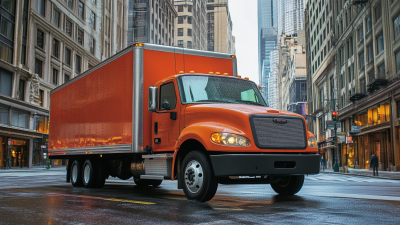
China’s leading all-electric truck manufacturers serve distinct commercial needs rather than one universal market. Several focus on compact urban delivery trucks, built for narrow streets, frequent stops, and depot charging. Others develop medium-duty logistics vehicles for regional distribution. Their designs often balance payload, battery size, turning radius, and daily operating range.
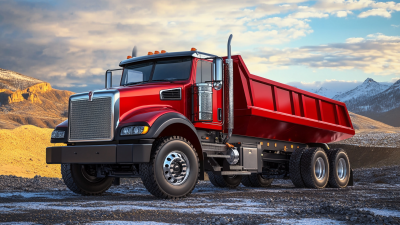
The remaining manufacturers concentrate on heavy-duty tractors, port drayage trucks, construction vehicles, mining haulers, sanitation trucks, refrigerated carriers, and specialized municipal platforms. Heavy-duty models require strong thermal management and stable torque on gradients. Port vehicles need quick charging and repeated low-speed operation. Refrigerated trucks must power both movement and cargo cooling. Field testing matters more than brochure range.
Tips:
Compare usable battery capacity, not only the advertised figure. Check charging time at your actual site. Measure payload after body installation. Ask for service coverage, battery warranty terms, and winter performance data. A short demonstration route can reveal more than a long specification sheet.
Fleet buyers should review route length, road quality, loading frequency, and driver habits before selecting a manufacturer. I have found that energy consumption can change sharply with weather, congestion, and cargo weight. Some published range claims also appear optimistic. This deserves careful verification. A reliable supplier should provide test records, maintenance procedures, and clear data for real operating conditions.
How to Compare China’s Electric Truck Manufacturers for Different Needs
China Top 10 All Electric Truck Manufacturers?
Comparing China’s electric truck manufacturers requires more than checking rankings. Start with the worksite. A city delivery truck needs fast charging, tight turning, and reliable refrigeration power. A mining hauler needs torque, cooling, battery protection, and strong payload capacity. The International Energy Agency reported that China represented over 80% of global electric heavy-truck sales in 2023. This scale creates useful manufacturing experience, but it does not guarantee the right vehicle for every route.
Measure total cost over the full operating cycle. Compare battery size, usable range, charging time, payload loss, maintenance, and residual value. BloombergNEF reported that average lithium-ion battery pack prices fell to 115 US dollars per kWh in 2024. However, fleet buyers may still face high replacement costs and uncertain second-hand values. Check independent test records, warranty terms, thermal performance, and uptime data. A laboratory range figure can mislead. Cold weather, hills, traffic, and heavy loads change the result quickly.
Tips: Request a route simulation using your real cargo weight and daily mileage. Ask for three years of service data, not only brochure figures. The Global EV Outlook 2024 also highlights charging infrastructure as a major factor in electric vehicle adoption. Confirm grid capacity, charger compatibility, and backup plans before signing. I would not trust a low purchase price alone. It may hide slower charging, weaker support, or expensive battery leasing.