What are the Benefits of Electric Trucks for Sustainable Transportation
As the transportation sector faces increasing scrutiny over its environmental impact, the adoption of electric vehicles has emerged as a sustainable alternative to traditional fuel-powered options. Among these innovations, EV trucks are paving the way for a cleaner and more efficient logistics industry. By harnessing electric power, these vehicles promise to significantly reduce greenhouse gas emissions and noise pollution, while also minimizing dependency on fossil fuels.
The transition to EV trucks is not only beneficial for the environment but also offers substantial economic advantages. Companies incorporating electric trucks into their fleets often experience lower operating and maintenance costs, due to fewer moving parts and the cost-effectiveness of electricity compared to diesel fuel. Moreover, as technology advances, the improvements in battery efficiency and charging infrastructure are making EV trucks more viable for long-haul applications, which further demonstrates their potential to transform the future of freight transportation.
In essence, the shift towards EV trucks represents a critical step in advancing sustainable transportation solutions. With their ability to enhance operational efficiency, reduce environmental impact, and meet the growing demand for greener logistics, EV trucks are set to play a pivotal role in shaping a responsible and forward-thinking transportation landscape for the 21st century.

Benefits of Electric Trucks in Reducing Carbon Emissions
Electric trucks present a promising solution for reducing carbon emissions in the transportation sector. Unlike traditional diesel-powered trucks, electric vehicles (EVs) produce zero tailpipe emissions, significantly decreasing the overall greenhouse gases released into the atmosphere. By replacing internal combustion engines with electric powertrains, the transportation industry can greatly lower its carbon footprint, contributing to the global efforts to combat climate change.
Furthermore, the shift to electric trucks offers long-term environmental benefits, particularly when charged using renewable energy sources. This synergy can lead to a further reduction in emissions over the vehicle's lifecycle. As the electricity grid becomes greener with an increasing share of renewables, the overall impact of electric trucks on emissions will continue to improve. Coupled with advancements in battery technology, they are positioned to hold a crucial role in creating a more sustainable transportation model, wherein logistics and freight activities can align more closely with environmental targets.
Cost Savings Associated with Electric Trucks for Businesses
The use of electric trucks is becoming increasingly prominent in sustainable transportation, not just for environmental reasons but also for significant cost savings.
According to a 2021 report by the International Council on Clean Transportation (ICCT), electric trucks can reduce fuel costs by an impressive 60% compared to traditional diesel trucks.
This reduction is attributed to the lower cost of electricity per mile versus diesel fuel, making electric trucks a financially viable choice for businesses focused on cost efficiency.
In addition to fuel savings, electric trucks also incur lower maintenance costs.
Electric vehicles generally have fewer moving parts and do not require oil changes, leading to reduced maintenance expenditures.
A study by the Rocky Mountain Institute found that electric trucks can lead to maintenance savings of approximately $0.10 to $0.20 per mile.
As fleets look to minimize total cost of ownership, such savings can have a substantial impact on operating budgets, allowing businesses to invest in other areas of growth.
Moreover, the transition to electric trucks can be incentivized by various government programs and tax credits intended to promote sustainable transportation solutions.
These incentives can further enhance financial savings, allowing businesses to offset the higher initial purchase price of electric vehicles over time.
As more companies recognize the fiscal benefits alongside their commitment to sustainability, electric trucks are poised to become a fundamental component of modern logistics.
Improved Energy Efficiency of Electric Trucks Compared to Diesel
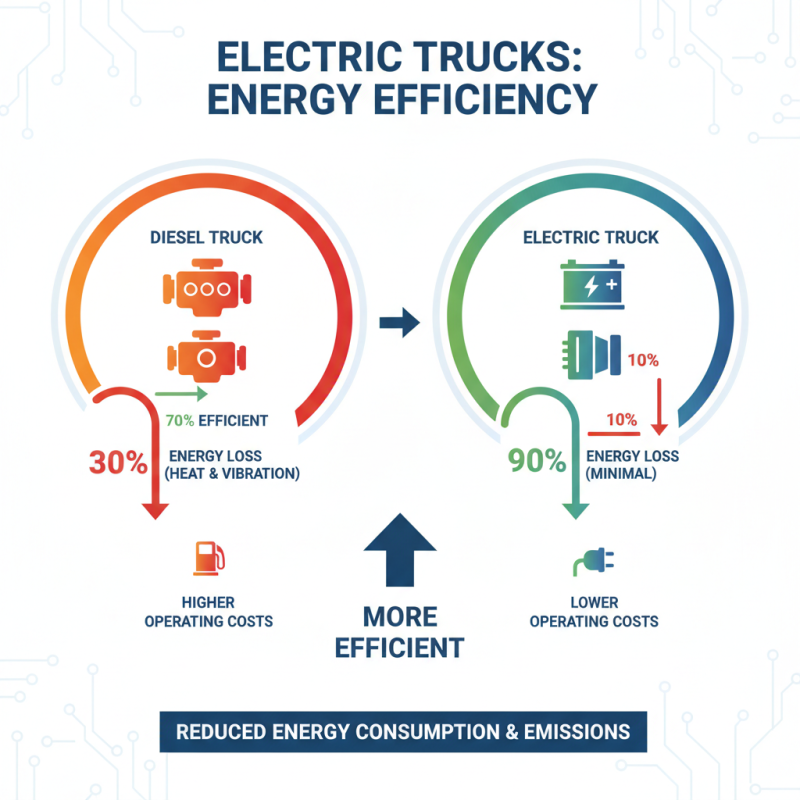
Electric trucks present a significant advancement in the quest for sustainable transportation, primarily due to their improved energy efficiency compared to diesel-powered vehicles. Traditional diesel trucks often face energy losses through heat, vibration, and mechanical complexity. In contrast, electric trucks utilize electric motors, which convert a higher percentage of energy from the grid into movement. This efficiency translates not only to lower operational costs for fleet operators but also to reduced energy consumption per mile traveled.
Moreover, the regenerative braking system in electric trucks further enhances their energy efficiency. This technology allows vehicles to recover energy during braking, recharging the battery while reducing wear on brake components. As a result, electric trucks can maintain better energy management over long distances, reducing dependency on energy sources and minimizing carbon emissions. Such innovations pave the way for more sustainable logistics solutions, highlighting the compelling advantages of integrating electric trucks into current transportation frameworks.
Enhancing Urban Air Quality through Electric Truck Adoption
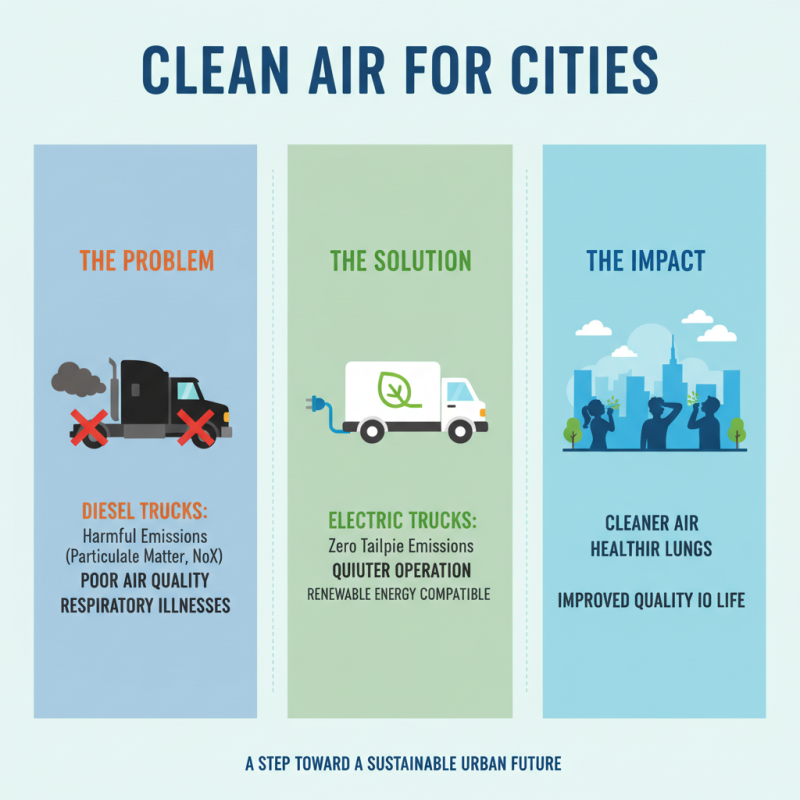
The adoption of electric trucks is a significant step toward improving urban air quality, an increasingly pressing issue in many cities around the world. Traditional diesel trucks contribute heavily to air pollution, emitting harmful particulate matter and nitrogen oxides that not only degrade air quality but also pose serious health risks to urban populations. By transitioning to electric trucks, cities can dramatically reduce these emissions, leading to cleaner air and a healthier environment for residents.
Moreover, electric trucks operate more quietly than their diesel counterparts, contributing to decreased noise pollution—a major benefit in densely populated areas. This shift not only enhances the overall quality of life for urban dwellers but also encourages the development of greener logistics solutions. As cities adopt electric trucks for distribution and freight transport, they create a ripple effect, prompting further investments in infrastructure that supports sustainable transport methods. The positive changes brought about by electric trucks extend beyond air quality; they foster a more sustainable urban ecosystem that prioritizes health and wellbeing.
Technological Innovations Driving Electric Truck Development
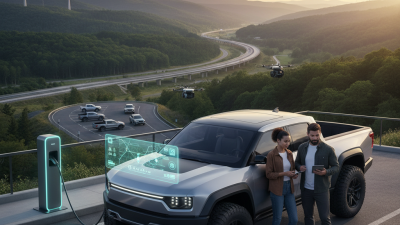
Technological innovations are at the forefront of the advancements driving electric truck development, significantly contributing to sustainable transportation. One of the prominent innovations is the enhancement of battery technology. Modern electric trucks utilize high-capacity lithium-ion batteries that not only offer extended driving ranges but also improve charging speeds. These advancements allow for more efficient logistics operations as trucks can operate for longer periods without the need for frequent recharging, thereby reducing downtime and increasing productivity.
Additionally, the integration of smart technologies and automation plays a crucial role in optimizing electric truck performance. Advanced telematics systems enable fleet managers to monitor various parameters such as energy consumption, vehicle health, and route efficiency in real time. This data-driven approach helps in minimizing operational costs and maximizing the utilization of electric trucks. Moreover, the development of regenerative braking systems further enhances energy efficiency, allowing trucks to recapture energy during braking, which extends battery life and increases overall sustainability in freight transportation. Through these technological advancements, electric trucks are poised to transform the logistics industry while significantly lowering the carbon footprint associated with traditional transportation methods.
Benefits of Electric Trucks for Sustainable Transportation